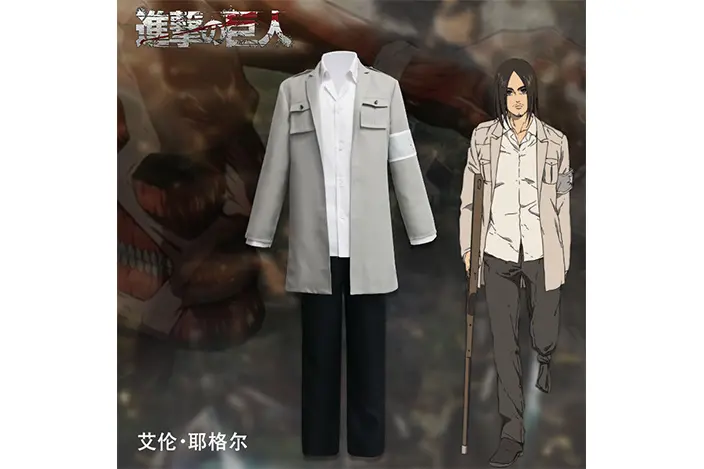
Professional Attack on Titan wig styling requires heat-resistant synthetic fibers, commercial-grade holding products, and character-specific cutting techniques. The key is achieving anime-level volume while maintaining natural movement - techniques that transform a basic wig into screen-accurate character hair.
From a styling and manufacturing perspective, Attack on Titan characters present unique challenges: Levi's asymmetrical undercuts, Eren's layered texture, and Hange's controlled chaos each demand specialized approaches that separate professional results from amateur attempts.
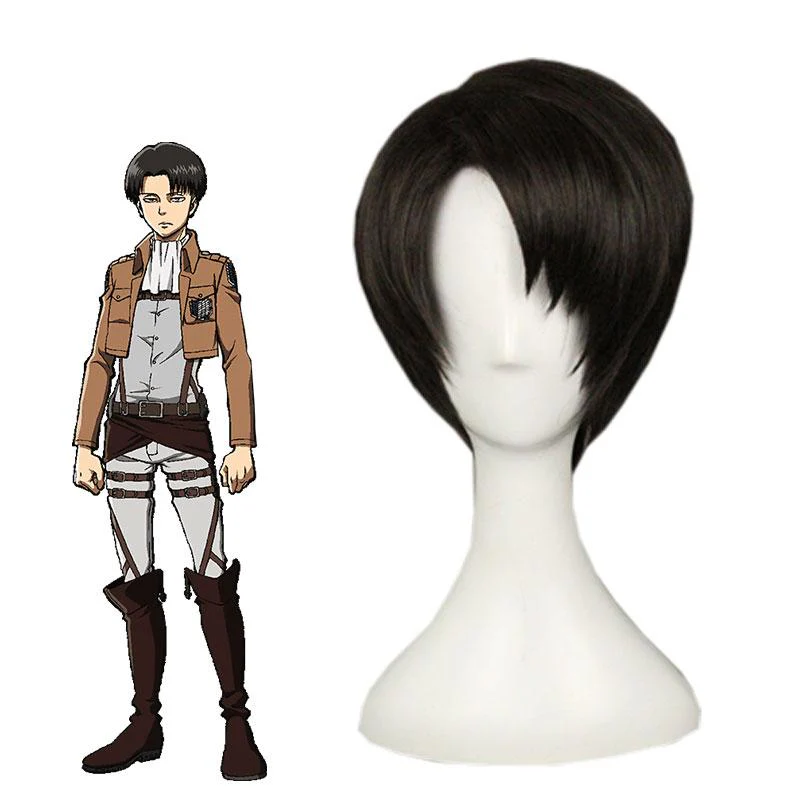
When sourcing wigs for Attack on Titan Cosplay Costume projects, fiber specifications directly impact styling success:
Premium Grade Specifications:
Temperature tolerance: High heat resistance for professional styling tools
Fiber density: Enhanced density for achieving authentic anime volume
Length-to-weight ratio: Optimal balance prevents styling collapse during wear
Denier rating: Professional-grade synthetic fibers provide ideal texture balance
Quality Verification Methods:
Heat test procedure: Always test small sections before full styling application
Stretch resistance: Quality fibers should return to near-original length after gentle stretching
Color fastness: Resistance to fading during heat styling and UV exposure
Eren Jaeger Styling Demands:
Medium-density brown synthetic with natural movement capabilities
Requires sectioning into manageable layers for authentic anime texture
Optimal fiber length for accurate character proportions
Levi Ackerman Technical Specifications:
High-density black synthetic for volume concentration in key areas
Heat-moldable fibers essential for his signature asymmetrical styling
Precision-cut capabilities for achieving sharp, clean lines
Hange Zoe Professional Requirements:
Medium-brown synthetic with enhanced texture retention properties
Requires multi-directional styling capability for characteristic appearance
Sufficient fiber length for wild, scientific aesthetic
Industry-standard styling requires precise heat control beyond basic approaches:
Sectional Heat Processing:
Base layer establishment: Medium heat for foundation structure
Mid-layer texturing: Higher heat for volume creation and hold
Detail finishing: Lower heat for fine-tuning without fiber damage
Heat Distribution Strategy:
Crown sections: Require enhanced heat for volume retention
Face-framing pieces: Need gentler heat to prevent over-processing
Nape areas: Standard temperatures with extended processing time for thorough styling
Levi's Signature Asymmetry:
Undercut simulation: Use flat iron techniques for downward angles
Volume concentration: Focus heat on top sections while protecting shorter areas
Texture variation: Vary temperatures between sections for natural layering effect
Eren's Layered Texture:
Root lift technique: Create base volume using appropriate heat settings
Mid-shaft texturing: Moderate temperatures for natural movement retention
End finishing: Light heat application to prevent over-processing damage
Standard consumer products often fail under convention conditions. Professional Attack on Titan Cosplay Costume styling demands commercial-quality solutions:
Primary Hold Products:
Professional spiking gel: Industry standard for extreme hold situations
Volume enhancement spray: Commercial-grade volume retention products
Professional hairspray: UV protection with maximum hold capabilities
Application Ratios for Professional Results:
Base application: Proper ratio of volume spray to holding gel
Detail work: Pure gel application for precision styling needs
Final seal: Multiple coats of professional hairspray for durability
Multi-Stage Application Process:
Foundation layer: Volume spray applied to slightly damp synthetic fibers
Structural layer: Gel application during active heat styling process
Refinement layer: Additional gel for problem areas requiring extra hold
Protection layer: Final hairspray application for longevity
Environmental Considerations:
Humidity protection: Increase holding product application in challenging climates
Heat resistance: Add thermal protection in high-temperature environments
Extended wear: Apply additional sealant layers for convention-length durability
Pre-Styling Setup:
Mount wig on appropriately-sized head form for accurate proportions
Pre-section hair into designated zones using professional clips
Apply base volume product while fibers maintain slight dampness
Cutting Protocol:
Side ratio maintenance: Maintain proper proportional balance between long and short sides
Graduation angles: Create natural layering with appropriate cutting angles
Undercut simulation: Use thinning techniques for realistic texture variation
Heat Styling Sequence:
Process undercut areas with controlled downward directional styling
Create crown volume using round brush techniques
Establish side-swept fringe with flat iron precision
Final texturing with wide-tooth comb during cool-down period
Sectioning Strategy:
Divide crown into equal sections for consistent volume distribution
Create horizontal layers at regular intervals for authentic anime texture
Designate face-framing pieces separate from bulk styling areas
Volume Creation Process:
Root processing: Lift each section vertically while applying controlled heat
Texture building: Use appropriate techniques on mid-sections only
Natural movement: Hand-style while warm to prevent unnatural stiffness
Edge finishing: Light feathering technique for realistic hairline appearance
Complexity Management:
Pre-style in manageable quadrants for volume distribution control
Create intentional asymmetry while maintaining overall visual balance
Use graduated techniques for authentic scientist aesthetic
Multi-Directional Styling:
Establish comprehensive base volume using proper lift techniques
Create intentional styling irregularities using concentrated gel application
Style each quadrant in varying directions for character authenticity
Blend sections using heat styling during transition periods
Visual Accuracy Metrics:
Silhouette matching: High accuracy to reference material requirements
Color consistency: Eliminate visible roots or uneven sections
Movement quality: Natural swing and bounce during active wear
Detail precision: Accurate recreation of character-specific elements
Durability Testing:
Extended wear test: Style must maintain integrity throughout long events
Movement resistance: No significant disruption during normal activities
Photography standards: Must photograph accurately under various lighting conditions
Daily Care Requirements:
Morning touch-up routine using diluted holding spray applications
Mid-day volume refresh technique using appropriate dry styling methods
End-of-day protective storage on proper wig stands
Long-term Preservation:
Weekly conditioning with synthetic-safe maintenance products
Monthly professional evaluation for optimal performance maintenance
Seasonal storage using appropriate materials and breathable containers
Heat Damage Recovery:
Fiber damage: Careful trimming and blending repair techniques
Color alteration: Professional color correction methods for restoration
Texture loss: Reconditioning protocols designed for synthetic fibers
Style Failure Analysis:
Volume collapse: Usually indicates insufficient product application or incorrect ratios
Movement restrictions: Often caused by over-processing or product buildup
Color inconsistency: Results from inadequate blending during multi-section styling
Emergency Convention Repairs:
Quick volume restoration: Strategic application of dry styling products and controlled heat
Style correction: Targeted gel application and precision restyling techniques
Appearance issues: Emergency correction techniques for damaged sections
The Attack on Titan Cosplay Costume market demands increasingly sophisticated wig styling as character accuracy becomes more critical for serious cosplayers. Professional techniques ensure not only visual authenticity but also practical wearability for extended use.
Q: What temperature range is safe for synthetic Attack on Titan wigs?
Professional-grade synthetic fibers typically handle moderate to high temperatures safely, but always start with lower settings and test small sections first.
Q: How long does professional wig styling typically last?
With proper products and techniques, expect significant durability with proper daily maintenance routines and careful handling.
Q: Which Attack on Titan character requires the most advanced styling skills?
Levi Ackerman's asymmetrical cut demands the highest technical skill level, followed by Hange's controlled chaos styling requirements.
Q: Can I use human hair products on synthetic Attack on Titan wigs?
Never use human hair products - they can cause buildup and damage. Always use synthetic-specific products for optimal results and wig longevity.
Q: What's the biggest mistake amateur wig stylists make with AOT characters?
Insufficient volume creation and using inadequate holding products. Professional results require significantly more volume than natural hair styling techniques.
 Call Us on:
  Email Us:
  Room 1205 12/F Tai Sang Bank Building, 130-132 Des Voeux Road Central, Hong Kong.
 ko
ko fr
fr de
de es
es it
it ru
ru pt
pt ar
ar pl
pl nl
nl

![Top 10 Genshin Impact Cosplay Costumes for Beginners [2026 Guide]](/uploads/image/20260605/top-10-genshin-impact-cosplay-costumes-for-beginners-2026-guide.webp "Top 10 Genshin Impact Cosplay Costumes for Beginners [2026 Guide]")